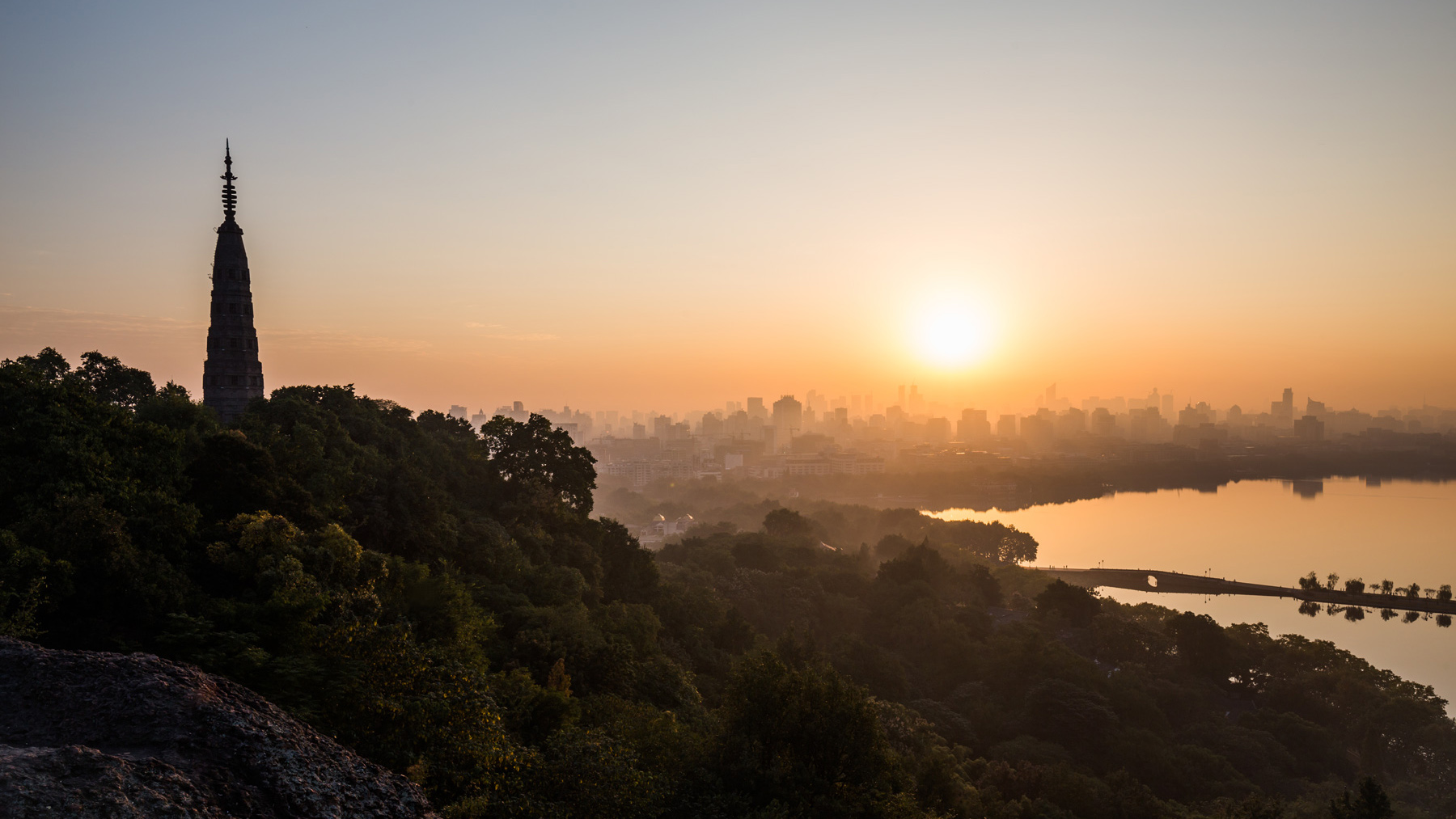
Plan Your Trip
Essential Travel Resources
Hangzhou welcomes visitors with a wealth of attractions, comfortable accommodations, and convenient ways to get around. Use the resources below to make the most of your stay in one of China's most celebrated destinations.
Maps
Navigate Hangzhou and the West Lake area with detailed maps and orientation guides.
View Maps →Getting In
Learn about arrival options — by air, rail, or road — for reaching Hangzhou.
How to Arrive →Getting Around
Master the extensive bus network, taxis, and other local transport options.
Local Transport →Accommodations
Find the right place to stay — from budget hostels to mid-range and splurge hotels.
Browse Lodging →Dining
Discover Hangzhou's local cuisine and recommended restaurants across the city.
Explore Dining →Nightlife
Uncover evening entertainment, bars, and cultural nightspots around Hangzhou.
See Nightlife →Getting Around Hangzhou
By Bus
Hangzhou has an extensive bus network. Schedules, routes, and on-board announcements are in Chinese, but the Google Maps app on a mobile phone makes it easy to find directions and navigate the system.
- Routes without a letter prefix — generally no air conditioning.
- K-prefix routes — air-conditioned buses.
- Y-prefix routes — designated tourist buses serving key attractions.
- B-prefix routes — Bus Rapid Transit (BRT) lines for faster cross-city travel.
Where to Stay
Budget
Hangzhou Hofang International Youth Hostel — No.67 DaJing Lane, Hangzhou. Located in the pedestrian area near the historic Drum Tower (Gulou), this well-situated hostel is popular with both Chinese and international travellers.
Hangzhou Garden Youth Hostel — Opened in 2006 on ZhaoGong Causeway near the Hangzhou Botanic Gardens, offering a quieter setting close to nature.
Mid-range & Splurge
Additional accommodation options are available across mid-range and premium categories to suit different travel styles and budgets.
Beyond the practical essentials, thoughtful preparation can transform a visit to Hangzhou into a genuinely memorable journey. Travelers are encouraged to consider the seasonal rhythms of the region, as each month brings a different character to the lake and its surrounding hills. Spring and autumn tend to draw the largest crowds, while quieter shoulder periods offer a more contemplative experience of the classical gardens, pagodas, and causeways. Packing light layers, comfortable walking shoes, and a sense of openness to slow, unhurried exploration will serve visitors well. The city rewards those who wander beyond the well-known sights, discovering teahouses tucked into bamboo groves and quiet corners where the scenery feels timeless.
Understanding local customs and etiquette can greatly enrich the travel experience. Simple gestures, such as learning a few basic phrases in Mandarin or observing how to respectfully approach temple spaces and cultural landmarks, are appreciated and go a long way. Visitors will find that Hangzhou's hospitality is warm and genuine, with locals often eager to share recommendations for authentic dining and hidden viewpoints. Staying connected is straightforward, with mobile networks and translation tools readily available. Ultimately, the city invites travelers to slow down, savor the moment, and let the gentle beauty of West Lake unfold naturally. With a little planning and an open mind, every visitor can craft their own version of this timeless destination.
A UNESCO World Heritage Site
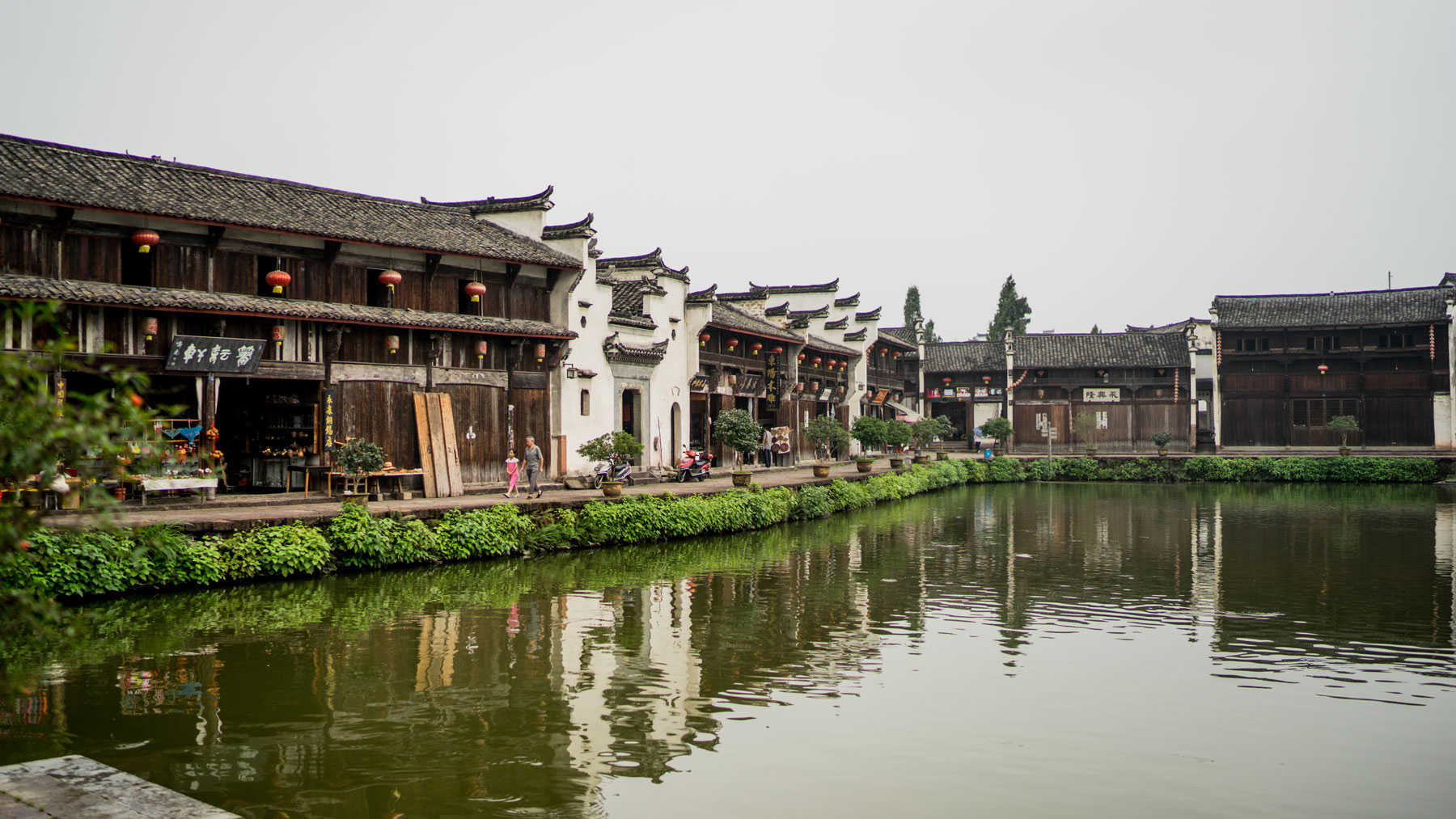
West Lake was inscribed as a UNESCO World Heritage Site in 2011. This freshwater lake, divided into five sections by three causeways, is surrounded by temples, pagodas, gardens, and artificial islands. It has inspired poets, painters, and garden designers throughout Chinese history.